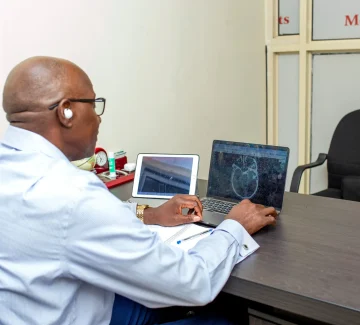
MRI Readings off Computer to Print a Report:
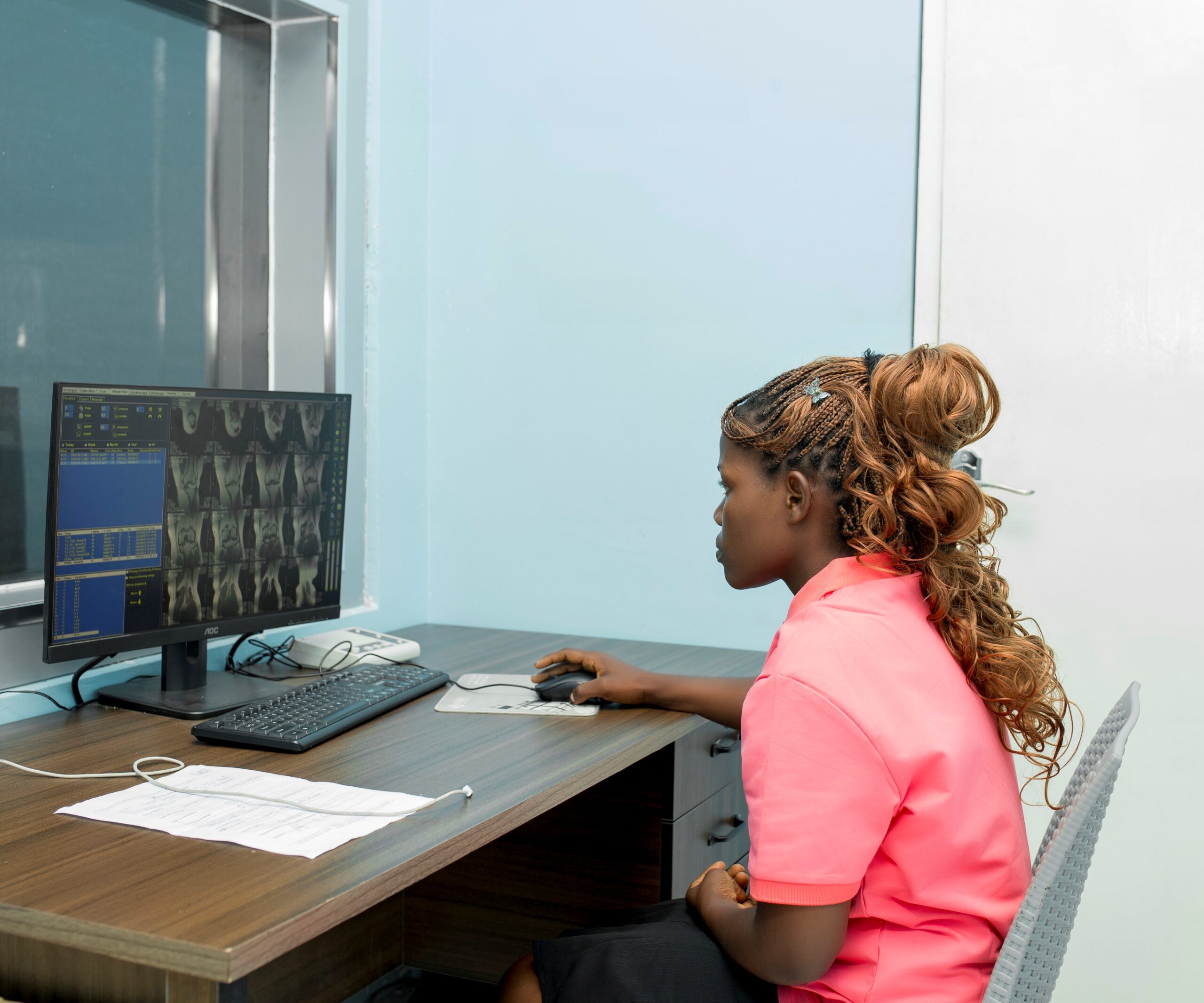
Magnetic Resonance Imaging (MRI) scans are first captured by the MRI machine and displayed on a computer workstation. Radiographers and radiologists use advanced imaging software to analyze these scans in detail. The images are adjusted for clarity, highlighting structures such as the brain, spine, joints, or soft tissues. Once reviewed, the findings are summarized into a comprehensive medical report. This report is then printed or stored digitally and shared with the referring physician for clinical decision-making.
What We Do :
- Conduct patient preparation and positioning for the MRI scan.
- Select appropriate MRI sequences (T1, T2, FLAIR, contrast-enhanced, etc.).
- Monitor the imaging process to ensure accuracy and patient safety.
- Review MRI images for abnormalities or pathological findings.
- Collaborate with radiologists to interpret results.
- Generate a clear diagnostic report for clinicians.
Specialist Services
- Neurology
- Orthopedics
- Oncology
- Cardiology
- Gynecology & Obstetrics
- Urology
Discrete Final Results :
The final MRI report provides discrete, structured outcomes for clarity:
- Patient Identification – Name, age, medical record number.
- Examination Performed – Type of MRI and body region.
- Findings – Description of observed abnormalities (e.g., disc herniation, tumor, lesions, organ size changes).
- Impression/Conclusion – Summarized diagnosis or probable condition.
- Recommendations – Further tests, specialist referrals, or treatment plans.
- Radiologist’s Signature – Authentication of report.